
When to aerate a lawn in Lawrence, KS
Core aeration for tall fescue and bluegrass lawns in Lawrence works best in fall, from September into October. How to time it and when to skip it.
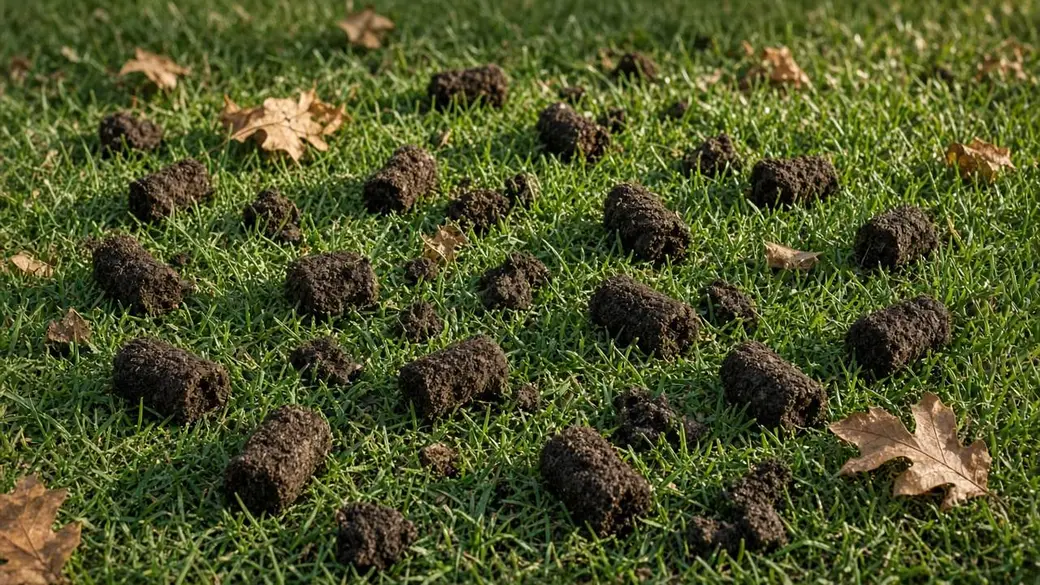
Most lawns in Lawrence and Topeka are tall fescue or Kentucky bluegrass. Both grow strongly in spring and again in fall, and both slow down in July heat. K-State Research and Extension puts core aeration (pulling small plugs of soil out of the lawn) in the fall for these grasses, with September and early October the best window. That gives the grass weeks to fill in the holes before the ground freezes.
Lawn treatments can put aeration on the same written list as fertilizing and weed control, with each round given its own date.
Why fall is the window
Cool-season grass makes new roots when nights cool off and the soil is still warm. Cores pulled then open a path for water, air, and fertilizer while the plant is ready to use them. A lawn opened in September or early October has time to knit before winter.
The calendar isn’t the whole story. Two yards on the same block can be weeks apart. One may still be soft after a wet August, and the other may shed water along a path the kids use every day. Check the soil in your own yard: if a screwdriver or a spade goes in easily, the soil is ready. If it bounces off, wait for a good rain or run the sprinklers the day before.
Once the soil is frozen or has gone cold and hard, the machine rides on top and tears out chunks. That is too late for the year.
What the cores do
The aerator pulls plugs of soil a few inches long and leaves them on the surface. The holes do the work. Water that used to run off toward the sidewalk can soak in, and air reaches roots that were sitting under a packed layer. Compacted soil is common on newer yards where the builder scraped off topsoil, and on any lawn that takes the same foot path all summer.
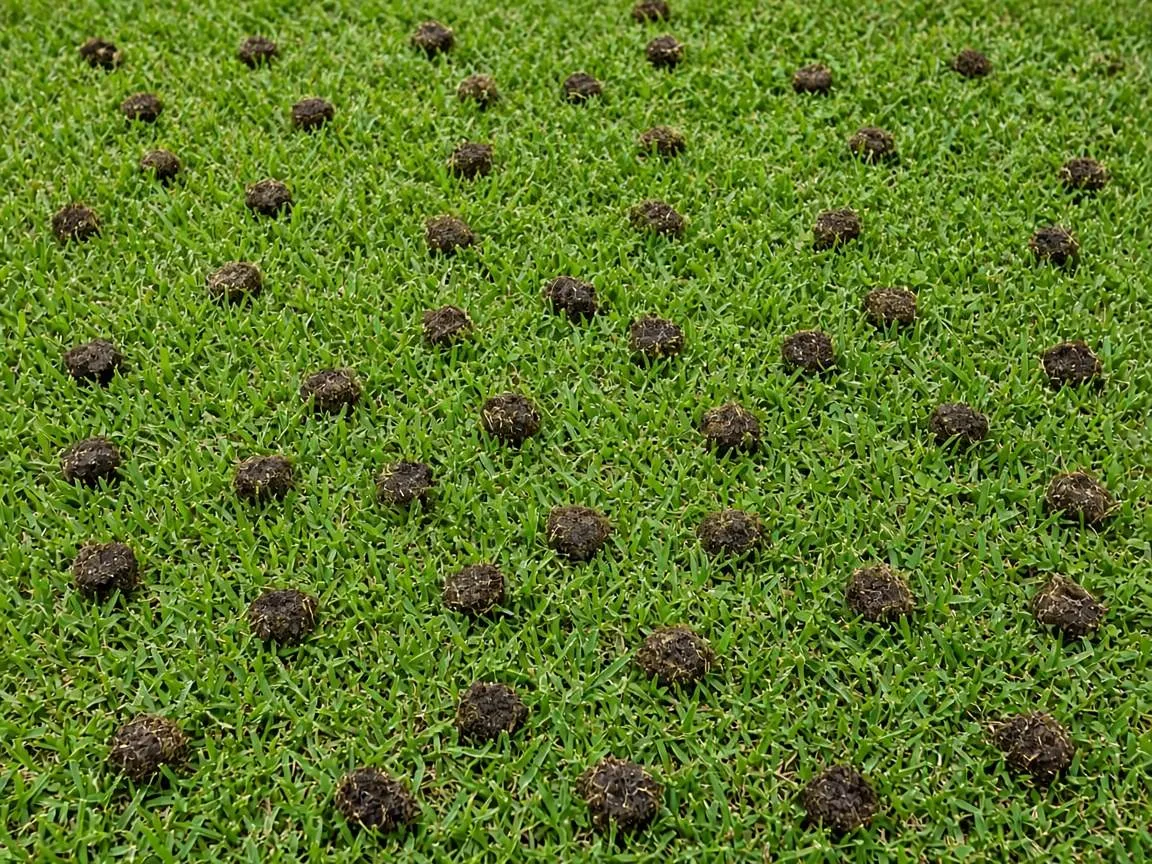
Lawns that need cores most:
- Lawns that feel hard underfoot or where a screwdriver barely goes in.
- Lawns where water puddles or runs off after a normal rain.
- Lawns with more than about half an inch of thatch (the layer of dead stems and roots between the grass and the soil).
A lawn that already drains and stays soft can wait. Aerating every yard every year only because the machine is on the trailer wastes effort.
Tight spots such as the parking strip, the gate path, and the strip along the driveway where the mower turns are the places a pass has to hit. A neat pattern across an open lawn that skips the packed edges won’t fix the part of the yard people walk on every day.
Why July is the wrong month
In July, cool-season grass is waiting out the heat. Holes punched then stay open and dry out the roots. A heavy dose of nitrogen on top grows soft blades that burn off the next hot week.
When to fertilize a lawn in Lawrence covers the feeding side. A lawn that looks tired in July usually needs water, a higher mowing height, or a sprinkler head that reaches the dry strip. Cores in the hottest week of the year won’t fix any of those.
A spring pass can help a lawn that compacted over winter, as long as the soil has thawed and the grass is growing. Fall still gives the longest recovery before freezing. If you do both, space them out instead of stacking them on one morning.
Overseeding with aeration
Seed goes with the cores when the stand is thin. Seed thrown on a tight lawn with no holes sits on the thatch and washes toward the sidewalk. Seeding after aeration lets seed fall into the holes, where it stays moist and touches soil.
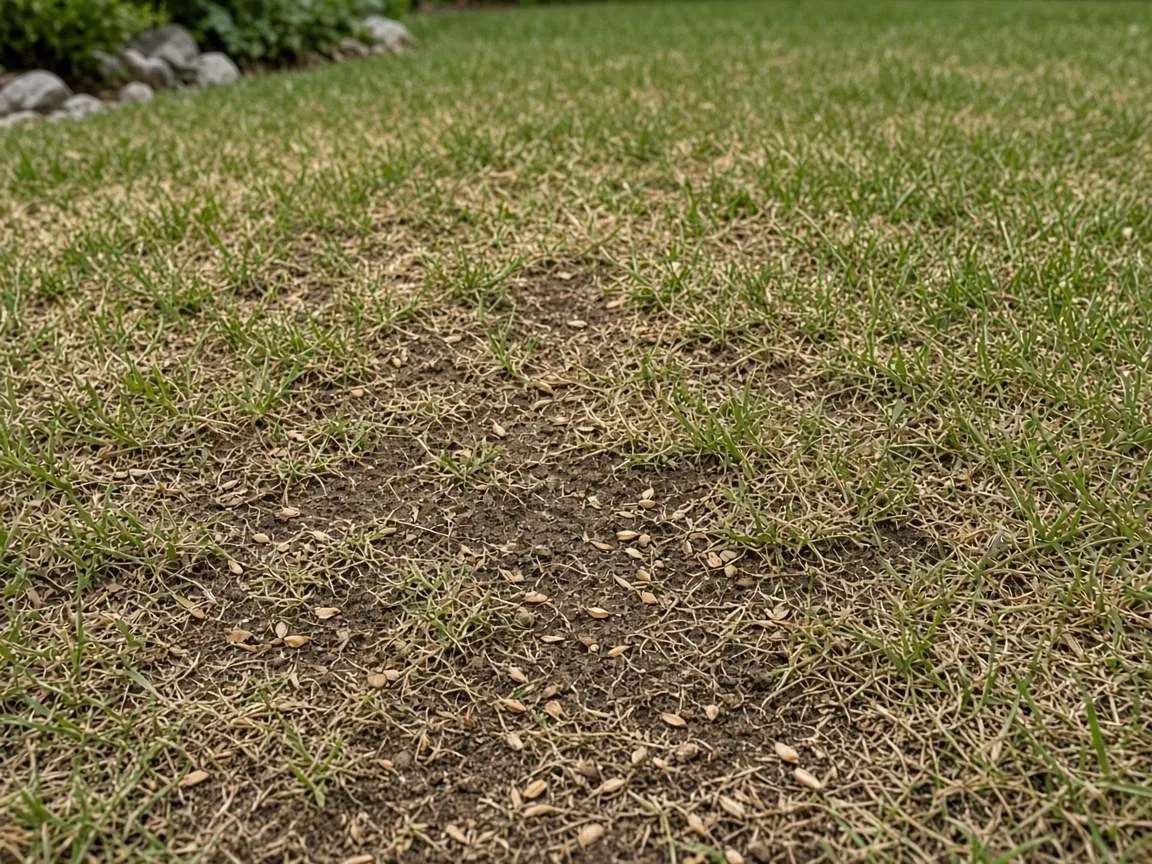
A thin strip that the sprinklers never reach will stay thin after seeding. Fix the coverage first, and irrigation is the page for that. Seed on a dry curb line washes off, and the dirt can stain the concrete.
One seeding doesn’t give you a new lawn. Fescue fills in over the fall and the following spring if it gets regular water and the mower isn’t scalping it. A bare patch from a missed head stays bare until the water is fixed. Keep new seed damp, and let the new grass get tall enough before mowing.
What to do with the plugs
Leave the plugs on the lawn. They crumble under the next few mowings and return the soil to the surface. Raking them off wastes the soil the machine just pulled and leaves the lawn looking stripped.
They look messy for a week or two, which is normal. Lawn care in Lawrence, KS covers the weekly mow, edge, and trim, and the next cuts break the plugs up. Plugs that land on the sidewalk can be swept or blown back onto the grass.
Keep aeration separate from other lawn work
Aeration, treatment, and mowing are separate tasks. Spreading fertilizer right after coring makes sense, because the product reaches the soil. Spreading something that was never planned just because the truck is in the drive does not.
Weed control follows its own calendar. Crabgrass preventer is a spring job before the seed sprouts, and broadleaf weeds are sprayed while they are growing. Neither one is an aeration date.
Shade that thins a lawn is a different problem. Coring won’t fix bare soil under a dense canopy. That spot may need a shade-tolerant plant in a bed, which is a landscaping question, or it may stay thin.
Free on-site estimates take about fifteen minutes and nobody has to be home. The written price says whether your lawn needs cores this year and whether seed is included. You can request an estimate online, and the same timing applies to Lawrence and Topeka lawns.
Questions this article usually raises
Can a Lawrence lawn be aerated in July?
It is not a good idea. Cool-season grass is stressed by heat in July, so the holes stay open and dry out the roots. Fall is the better time.
Should the soil plugs be raked off?
No. Leave them. They break down within a few weeks of mowing, and raking them off throws away the soil the machine just pulled.
Does every lawn get cores every year?
No. A lawn that already drains well and feels soft can skip a year. A lawn that sheds water or feels hard underfoot is the one that needs cores.
Services in this article
Relevant service areas
Keep reading
- When to plant grass seed in Lawrence, KS Grass seed in Lawrence goes down in fall, in the holes from aeration, while tall fescue is still growing. Seed on a tight, dry strip washes to the sidewalk.
- When to fertilize a lawn in Lawrence, KS Fall is the key feeding for tall fescue and bluegrass in Lawrence. When to fertilize, why July feedings backfire, and how weed control fits in.
- A lawn care schedule for Lawrence, KS A Lawrence lawn schedule splits mowing, weed control, aeration, and the fall feeding into separate visits, with dates set after a walk of the yard.