
A lawn care schedule for Lawrence, KS
A Lawrence lawn schedule splits mowing, weed control, aeration, and the fall feeding into separate visits, with dates set after a walk of the yard.
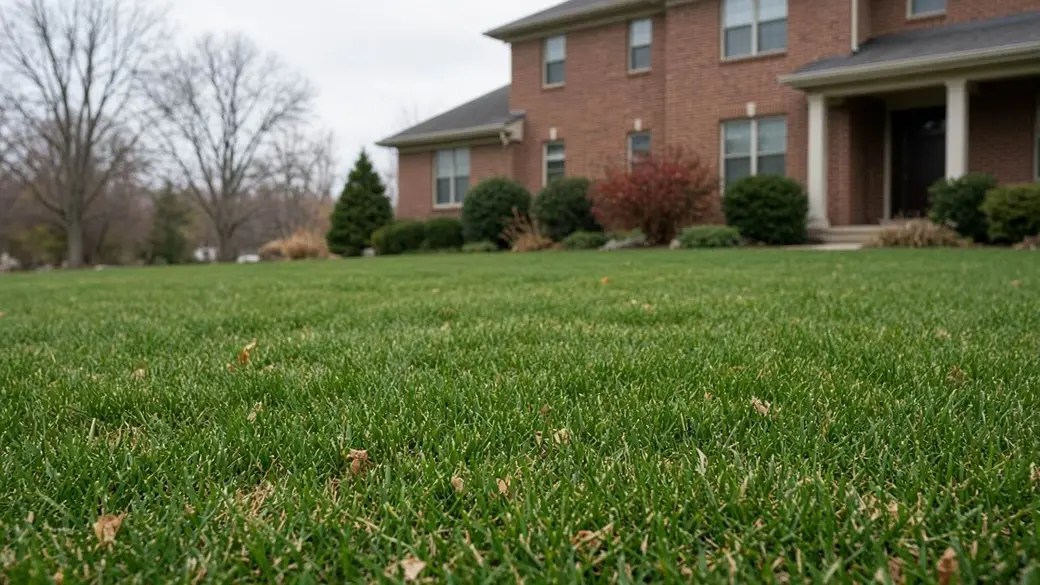
A lawn in Lawrence doesn’t need one visit that does everything. Tall fescue and Kentucky bluegrass are cool-season grasses. They grow hard in spring, slow down in July heat, and grow again when the nights cool off. The schedule follows that pattern and is written after we walk the yard. Lawn care in Lawrence, KS is the weekly cut. Lawn treatments are the other dates.
Two lawns on the same street can be a week apart. One is thin along the curb and the other is already thick. The walk sets the date.
What stays on the weekly route
The weekly visit is mowing, edging, and trim. Clippings come off the sidewalk and the driveway, and the beds get blown out. Fertilizer, aeration, and bed rebuilds are separate visits, even when the truck is already in the driveway.
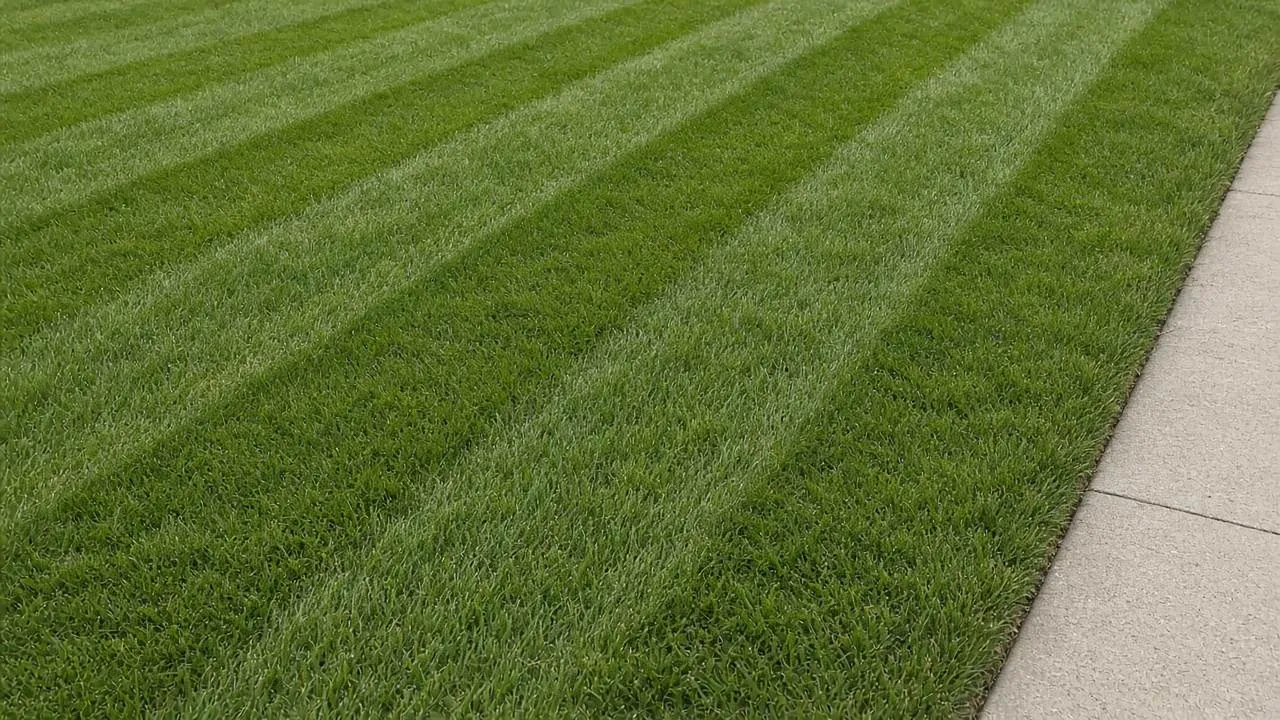
If the grass is too wet, the stop waits. Ruts last longer than a skipped week. A slumped bed line isn’t recut on mow day. That recut is measured and priced on its own as a landscaping visit.
Topeka yards follow the same height and wet-grass rules. Lawrence is first on the calendar.
Spring is mowing plus one weed date
When the grass starts growing, weekly mowing starts again. If winter left the lawn long, bring the height down over more than one week instead of scalping it on the first cut.
Crabgrass preventer (a pre-emergent, which stops seed from sprouting) goes down before the crabgrass germinates in spring. It is its own round on the plan, not part of a weed-and-feed bag. Broadleaf weeds like dandelions get a spray while they are actively growing, on a different date than fertilizer.
A pale lawn in April doesn’t automatically need extra feeding. Check thickness, shade, and whether a sprinkler head is missing the curb. Irrigation fixes a dry strip, and fertilizer won’t.
July is the month to do less
In July, cool-season grass waits out the heat. Keep the mower deck higher so the soil stays covered. A heavy dose of nitrogen that month grows soft blades the next hot week burns off.
When to fertilize a lawn in Lawrence goes into more detail. The feeding that matters most is in fall. A lawn that looks tired in July usually needs water, a higher cut, or a sprinkler head that reaches the dry side.
Treatment day and mow day stay apart in summer too, so the mower doesn’t cut product off the leaf an hour after it went down.
The cut height changes with the month
One height all year scalps the lawn in July and leaves it shaggy in May. In spring the deck comes down over more than one week. In July it goes up so the soil stays covered. In fall it can come back down once the nights are cool and the grass is growing again.
A very short cut in August browns fescue in Kansas heat, so a higher deck is the better call even if the lawn looks less tidy. The weekly visit still edges the walk and blows off the concrete.
A lawn that was let go for a month isn’t brought back in one pass. The first cut takes the top, and the next few weeks bring it down to the seasonal height.
Beds stay off the mowing calendar
Mulch, steel edging, and new plants are landscaping dates. When to mulch in Lawrence and landscape edging cover those visits. The mowing crew blows leaves and clippings out of the bed. Spreading a yard of mulch, setting steel, or pulling plastic is a separate visit.
A bed that has slumped into the lawn gets a written recut. Folding it into “we’ll get it while we mow” is how the line disappears by July. If the edge is already steel and only the grass has crept, the recut is smaller, and it still gets its own line on the quote.
Keep irrigation heads in the bed visible. If a head is already under the chips, tell the irrigation crew instead of leaving it for the next mow.
Fall is the long part of the year
After the heat breaks and before the ground freezes, three jobs can land on the written list, each as a separate visit.
Core aeration (pulling small plugs of soil out of the lawn) fits a lawn that sheds water or feels hard underfoot. When to aerate a lawn in Lawrence covers which yards need it and which can skip a year. The plugs stay on the grass and break up under the next few mows.
Seed fits a thin stand with aeration holes to catch it. Seed on a tight lawn washes to the sidewalk. When to plant grass seed in Lawrence covers that visit.
The fall feeding goes on while the grass is making roots. A winterizer is a later round on the same plan, not a second product tossed in because the store display changed.
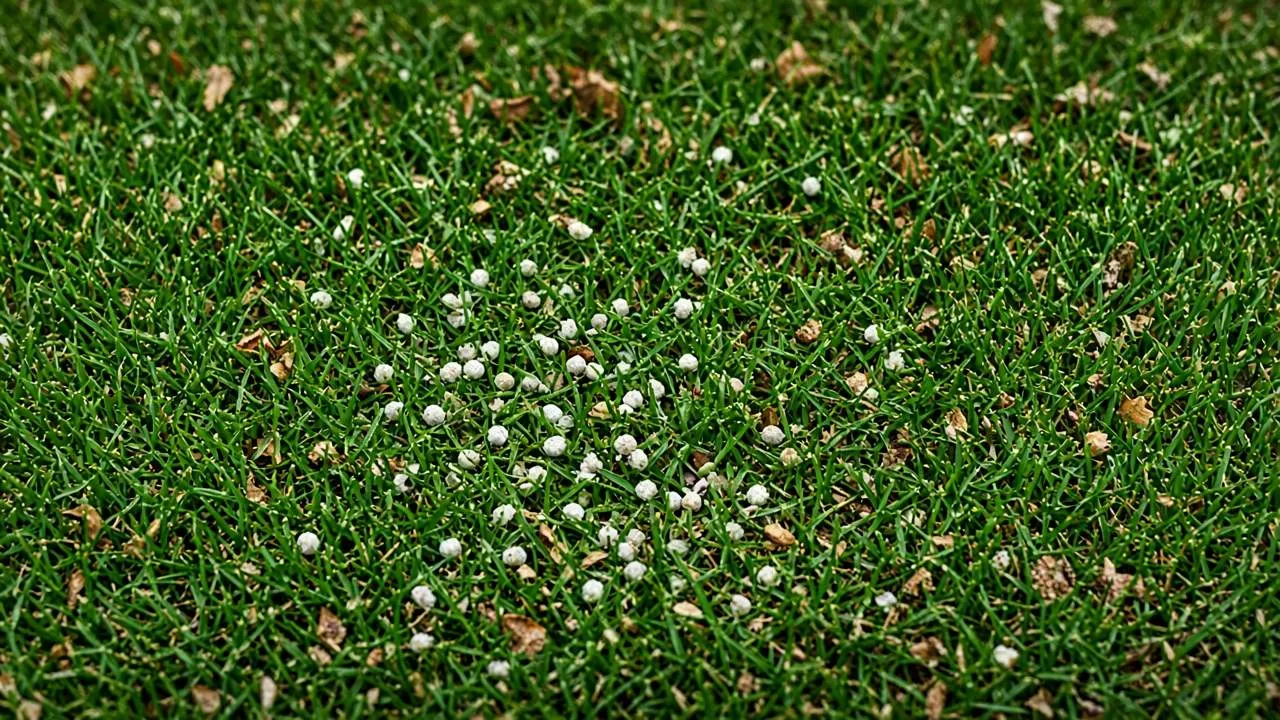
Leaves on the grass need raking or mulch-mowing. Blowing them into the shrubs doesn’t count as fall cleanup, and a heavy leaf week may need an extra visit.
Winter is a different list
The last mows stop when the grass stops growing. There is no reason to keep a summer interval through a freeze.
Snow is not part of the mowing plan. Driveways, walks, and steps are named on the snow removal quote. Ice melt stays on the steps and the landing, and the open lawn is left alone.
Sprinkler lines should already be blown out by then. How sprinkler winterization works is the fall visit for that. A pile from the first storm shouldn’t bury the shutoff.
A January thaw isn’t a reason to restart weekly mowing. If the grass is still brown and the soil is soft, a cut ruts the yard and doesn’t make it any greener.
A skipped week and a locked gate
Rain, a freeze, or a locked gate moves the stop. If the back yard can’t be reached, the front gets cut and the locked part waits. Settle that limit on the estimate before the season starts, so nobody finds out from a text after the crew has left.
If you want to pause the route, say so before the week starts. Pausing mowing doesn’t cancel the fall feeding or the snow list. Those stay on their own pages until you take them off.
What the written estimate lists
On-site estimates are free and take about fifteen minutes, and nobody has to be home. The plan names the weekly mow, the weed rounds, whether this year needs aeration, whether seed is included, and the fall feeding.
Shade under a dense canopy stays off the plan if fescue can’t live there. Tree work is not part of this schedule, so the open lawn stays on the route and that pocket is left alone.
Questions this article usually raises
Is the lawn care schedule the same date every month?
No. Mowing is the weekly visit. Weed control, aeration, and fertilizer each have their own date after a walk of the yard. A bag with a month printed on it is a rough guide, not a schedule.
Does a wet week get skipped?
The mow waits if the turf is too wet to hold the mower, because cutting wet ground leaves ruts. The route comes back once the ground firms up.
Services in this article
Relevant service areas
Keep reading
- When to plant grass seed in Lawrence, KS Grass seed in Lawrence goes down in fall, in the holes from aeration, while tall fescue is still growing. Seed on a tight, dry strip washes to the sidewalk.
- When to fertilize a lawn in Lawrence, KS Fall is the key feeding for tall fescue and bluegrass in Lawrence. When to fertilize, why July feedings backfire, and how weed control fits in.
- When to aerate a lawn in Lawrence, KS Core aeration for tall fescue and bluegrass lawns in Lawrence works best in fall, from September into October. How to time it and when to skip it.